Table of Contents (16 sections)
In today’s world, DIY projects have gained immense popularity as people seek to personalize their living spaces, save money, and learn new skills. However, achieving professional-looking results requires not only creativity and effort but also the knowledge of essential DIY techniques. In this article, we explore ten techniques that can elevate your DIY projects to a professional level.
1. Mastering the Art of Measuring
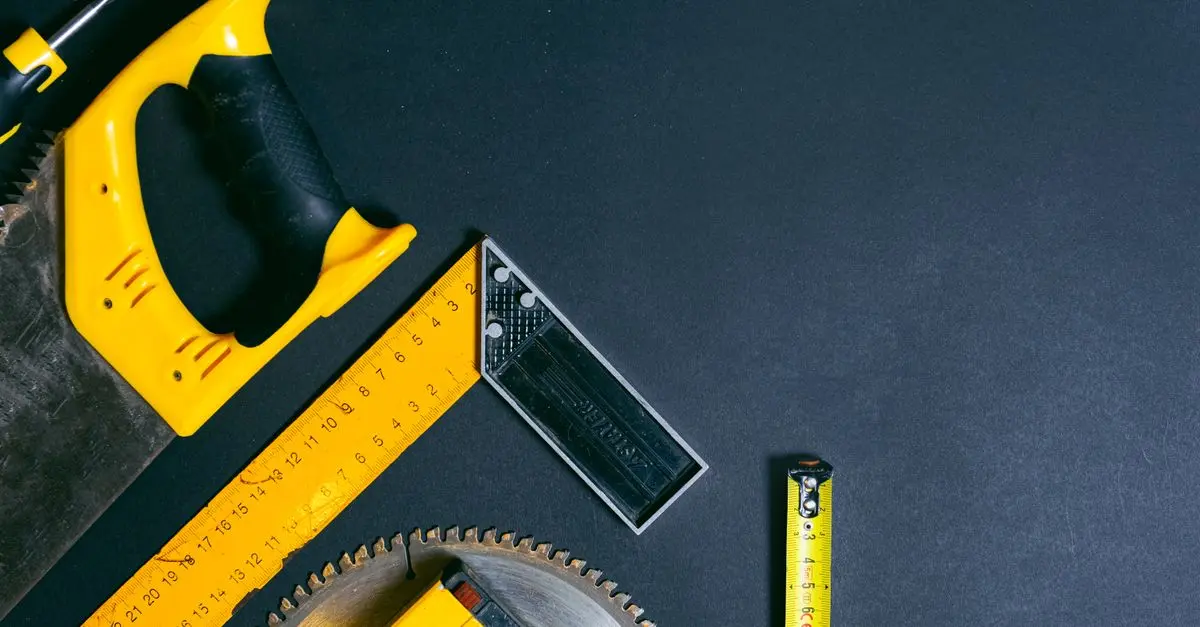
Accurate measurements are the foundation of any successful DIY project. To ensure precision, use a quality tape measure and consider a digital measuring tool for larger areas. For instance, when building furniture or installing shelving, double-check your measurements before cutting materials. According to experts, a staggering 80% of DIY mistakes come from inaccurate measurements, leading to wasted materials and time.
2. Choosing the Right Tools
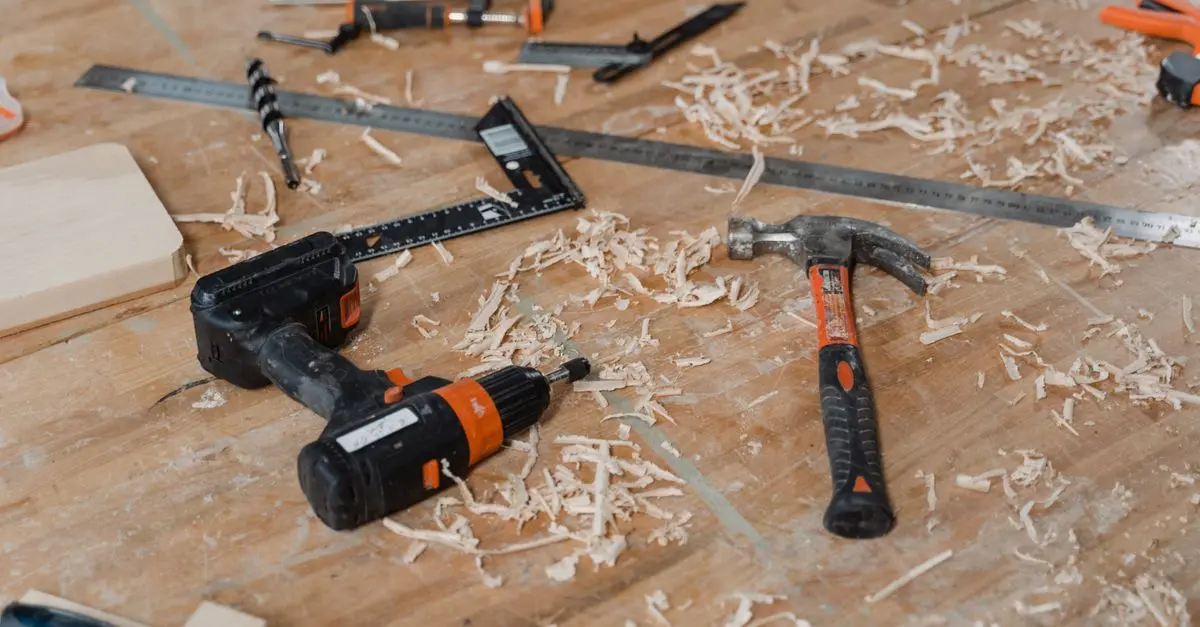
The right tools can make a significant difference in the quality of your work. Investing in essential tools such as a circular saw, a level, and a versatile drill can streamline your projects. Brands like DeWalt and Makita offer reliable power tools that cater to different skill levels. Understand the purpose of each tool—using a chisel for fine woodwork or a jigsaw for intricate cuts—and your projects will reflect a professional touch.
3. Surface Preparation
Before painting or staining, ensure surfaces are adequately prepared. This includes sanding, cleaning, and priming to create a smooth and clean surface for application. For example, when repainting furniture, sanding down previous finishes allows new paint to adhere better, reducing chipping and peeling. A well-prepared surface can dramatically enhance the durability and appearance of the finish.
4. Techniques for Joining Materials
Understanding various techniques for joining materials is essential for building durable projects. Learn about pocket hole joinery, doweling, and using wood glue effectively. For instance, pocket hole joinery is perfect for building cabinets, allowing for strong joints with minimal visible hardware. Each method has its advantages, affecting both strength and aesthetics, so choose accordingly based on your project requirements.
5. Finishing Touches Matter
The final finish can elevate your project from average to remarkable. Explore various finishing techniques, such as staining, varnishing, or painting with the proper application tools. A spray finish can provide a professional gloss, while hand-applying a stain can enhance the natural beauty of the wood. According to 60 Millions de Consommateurs, the finish can account for 50% of the project’s overall aesthetics.
📺 Resource Video
> 📺 For those eager to learn more about finishing techniques, check out this informative video on YouTube: Professional Finishing Techniques for DIY Projects. Search for "DIY finishing techniques 2026" for detailed guidance.
6. Utilizing Templates and Guides
For complex shapes or precise lines, templates and guides are invaluable. Create your own templates for custom cuts or use existing guides for tasks like aligning tiles or hanging pictures. For example, when tiling a backsplash, using spacers and a level can ensure even gaps and a professional look. Templates prevent costly mistakes and help maintain consistency throughout your project.
7. Color Theory in Design
Understanding color theory can significantly impact the aesthetic quality of your projects. Utilize a color wheel to select complementary colors for your paint and accent pieces. For instance, pairing a rich navy blue with bright mustard accents can create a striking contrast, making your DIY decor stand out. According to design experts, homes that utilize cohesive color schemes can enhance value by 20%.
8. Safety First
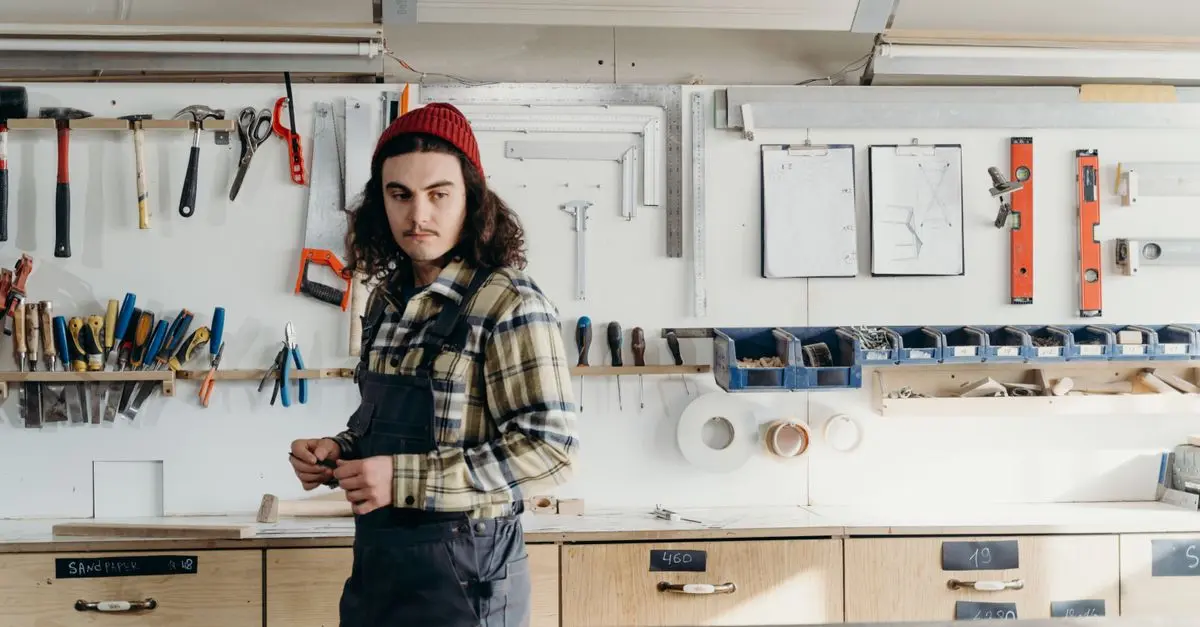
Always prioritize safety when undertaking DIY projects. Use appropriate personal protective equipment (PPE), such as goggles and gloves, and ensure proper ventilation when working with chemicals. According to the CDC, over 150,000 injuries occur annually in DIY settings, so taking precautions can help mitigate risks. Educate yourself on safe tool handling and workspace organization to create a safely manageable environment.
Comparative Table of DIY Techniques
| Technique | Pros | Cons | Best Use Case |
|---|---|---|---|
| Measuring | High accuracy | Time-consuming | Furniture building |
| Tool Selection | Efficiency | Costly initial investment | Comprehensive projects |
| Surface Preparation | Better adhesion | Labor-intensive | Painting & staining changes |
| Joint Techniques | Strong structures | Skill level dependent | Furniture assembly |
| Finishing Techniques | Aesthetic appeal | Can be tricky | Finalizing projects |
9. Learning from Mistakes
Every DIY enthusiast makes mistakes; what sets professionals apart is their ability to learn from them. Keep a log of what went wrong and how you solved the issue. This practice not only enhances your skill set but also reduces future errors. For instance, if a paint finish didn’t turn out as expected, analyze the reasons—was it the technique or the product? This reflective practice will sharpen your skills over time.
10. Seeking Inspiration and Community Input
Engaging with DIY communities, both online and offline, can provide inspiration and support. Platforms like Pinterest and DIY forums encourage sharing tips and completed projects. Many users report increased creativity and more refined techniques after collaborating with peers. Organizing or participating in local workshops can also broaden your skill set and foster valuable connections.
Checklist before starting a DIY project
- [ ] Measure materials accurately
- [ ] Choose the right tools for the job
- [ ] Prepare surfaces properly
- [ ] Select appropriate joining techniques
- [ ] Decide on the finish style
- [ ] Use templates for complex designs
- [ ] Research color schemes for aesthetics
- [ ] Prioritize safety measures
- [ ] Learn from past mistakes
- [ ] Engage with the DIY community
Glossary
| Term | Definition |
|---|---|
| Pocket Hole Joinery | A woodworking technique for joining two pieces with angled holes. |
| Color Theory | A set of principles used to create pleasing color combinations. |
| Personal Protective Equipment (PPE) | Gear worn to minimize exposure to hazards while working on tasks. |
Conclusion
Embracing these DIY techniques can markedly enhance the quality of your projects, allowing you to achieve results typically expected from professionals. Whether you are a novice or have experience, mastering these skills will elevate your DIY game and provide a sense of accomplishment.
🧠 Quiz rapide : What is the most crucial aspect of DIY projects?
- A) Color selection
- B) Accurate measurements
- C) Decorative finishing
Réponse : B — Accurate measurements are essential for ensuring the success of any DIY project.
📺 Pour aller plus loin : how to use basic DIY techniques 2026 sur YouTube