Table of Contents (10 sections)
Understanding DIY Techniques
DIY techniques refer to the methodologies and skills utilized for completing projects independently, often at home or on a small scale. They encompass a broad spectrum of activities from crafting furniture to home repairs. The significance of honing solid DIY techniques lies in their ability to empower individuals, foster creativity, and enhance problem-solving skills. Not only are you saving costs by choosing to do projects yourself, but you also gain a sense of achievement upon completion. Moreover, knowing effective DIY techniques can drastically change the outcome of your projects, allowing you to create professional-grade works without the need for extensive training or experience.
Mastering Basic Tools
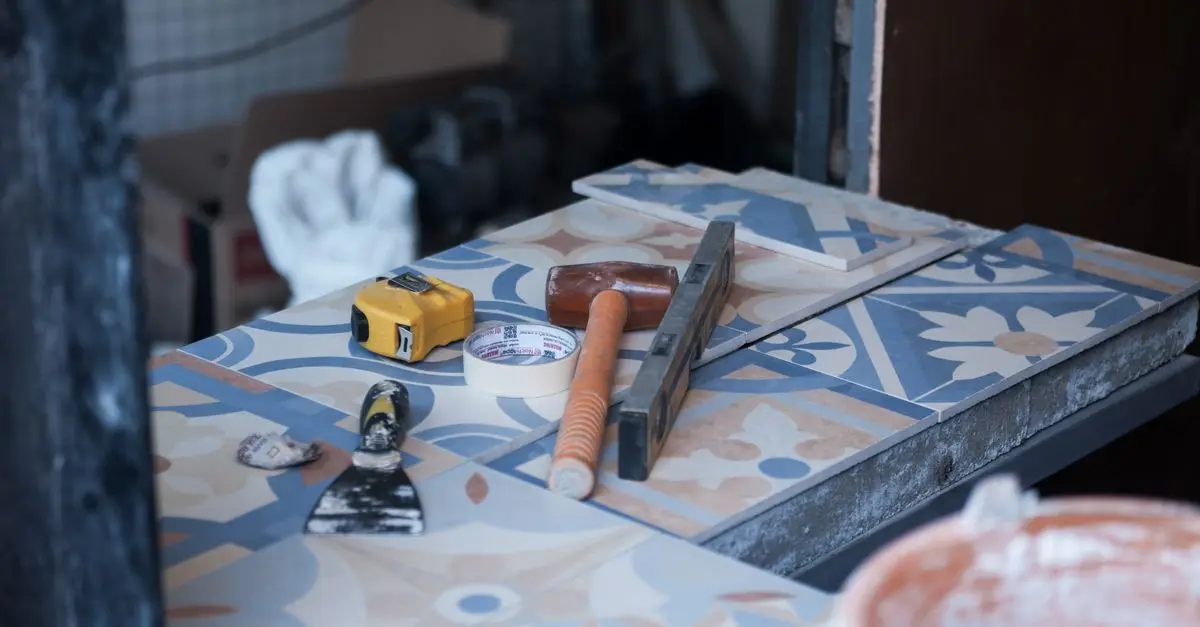
Using the right tools is crucial in DIY projects. Start by familiarizing yourself with basic tools such as a cordless drill, screwdriver set, level, measuring tape, and saw. Each of these tools serves critical functions that can significantly influence the precision and quality of your work. For example, a cordless drill not only makes creating holes easier but also speeds up assembling projects. Before starting, ensure that your tools are well-maintained. A dull saw or a worn-out screwdriver can lead to errors and frustration. Additionally, take the time to understand how each tool works and its specific applications. This initial investment in knowledge can save you time and enhance the quality of your results.
Utilizing Quality Materials
The materials you choose can make or break your DIY project. Opting for high-quality materials typically results in better durability and aesthetic appeal. For example, when building furniture, selecting hardwood instead of softwood can impact longevity. Take time to research. Comparing brands and reading reviews can lead you to more resilient supplies. In addition, being aware of eco-friendly materials is imperative as global awareness around sustainability increases. Consider sourcing materials from reputable suppliers or local businesses to ensure quality while also supporting your community. Price should not be the only factor; remember that investing in quality will save you money and headaches in the long run.
Implementing Precision Measurements
Precision in measurements is one of the cornerstones of successful DIY projects. Many projects go awry due to miscalculations or sloppy measurements. Always utilize a reliable measuring tape, and consider investing in a laser level for larger projects. Before cutting any material, double-check measurements several times. This not only minimizes waste but also maximizes accuracy. According to an industry survey conducted by UFC-Que Choisir, over 30% of DIY errors stem from inaccurate measurements. A simple act such as marking the material with a fine pencil could save you a ton of material and effort. Implementing this habit can significantly elevate the professionalism of your work.
Incorporating Design Principles
Integrating design principles into your DIY projects can dramatically enhance their visual appeal and functionality. Familiarize yourself with concepts such as balance, contrast, and harmony. For instance, think about how the color scheme and shapes interact within your space. Utilizing complimentary colors can help create an inviting atmosphere. Furthermore, consider the functionality of your design—does it serve a practical purpose while still being visually appealing? Referencing design elements through resources provided by sites like Pinterest or Houzz can give you inspiration and guidance. By doing so, you transform a simple project into a statement piece that reflects professionalism and artistry.
Checklist Before You Start
Before embarking on any DIY project, there are critical steps to ensure you have everything in order:
- [ ] Define the project’s scope and objectives.
- [ ] Research and gather necessary materials and tools.
- [ ] Create a step-by-step plan for execution.
- [ ] Ensure you have enough space to complete the project.
- [ ] Prepare for potential pitfalls and plan alternate solutions.
- [ ] Allocate sufficient time to work without interruptions.
📺 Resource Video
> 📺 For more insights: Watch this informative video on essential DIY techniques and professional project tips. Search on YouTube: "Top DIY Techniques for Home Projects."
Glossary
| Term | Definition |
|---|---|
| DIY | Do-It-Yourself; the practice of creating, building, or repairing things independently. |
| Measuring Tools | Instruments used to determine dimensions, quantities, or capacity, such as tapes and levels. |
| Design Principles | Basic guidelines that inform the aesthetic and functional aspects of a project. |
🧠 Quick Quiz
> What is the most important aspect of DIY techniques?
> - A) The tools used
> - B) Precision measurements
> - C) The final aesthetics
> Answer: B — Precision measurements ensure that your projects fit well and look professional.
📺 Pour aller plus loin : Top DIY Techniques for Home Projects sur YouTube