Table of Contents (12 sections)
Keeping your home efficient isn’t just about reducing energy bills; it's also about creating a comfortable living environment. DIY home efficiency solutions can help achieve both these goals without breaking the bank. Energy efficiency refers to using less energy to provide the same service, such as heating or cooling a home. Acknowledging the importance of home efficiency, as indicated by UFC-Que Choisir, can lead to noticeable savings on energy costs and contribute to a healthier planet.
Many solutions require minimal investment and time. According to studies, an energy-efficient home can save up to 30% on energy costs, translating to hundreds of dollars annually. By implementing a few practical strategies, homeowners can maximize comfort while minimizing expenses. Let’s dive into some of the essential DIY approaches for enhancing your home's efficiency.
1. Insulation Improvements
One of the first steps toward improving home efficiency is to ensure that insulation is up to standard. Insulation works as a barrier to heat flow, keeping warm air inside during winter and keeping it out during summer. Many homes built in the past decades may not have adequate insulation, leading to increased energy consumption as your heating and cooling systems work harder.
To enhance your insulation, look at areas such as attics, walls, and basements. Upgrading insulation materials can be done as a DIY project, often utilizing rolls or batts that are easy to install. For specific areas like attics, using spray foam insulation can increase efficiency significantly. Research suggests that adding insulation can sometimes recoup its costs by generating substantial energy savings over time.
2. Weatherstripping Doors and Windows
Another simple yet effective DIY solution is weatherstripping. Installing weatherstripping around doors and windows can significantly reduce heat loss. According to the U.S. Department of Energy, up to 30% of heating and cooling energy can be lost through leaks in the structure.
To conduct this project, select weatherstripping materials based on the area you are sealing; for instance, peel-and-stick options are easy for beginners. As you apply it, ensure that the material meets the surface evenly, creating an airtight seal. This small effort not only can help you save on energy costs but also enhances your home's comfort.
Sports Licensing Solutions 3 ft. W X 3 ft. L Black Anti-Fatigue Rubber Utility Mat
acehardware.com


Sunset Healthcare Solutions Handheld Mesh Nebulizer with Rechargeable Battery
sleeplay.com
3. Low-Flow Fixtures
Installing low-flow faucets and showerheads is an often-overlooked solution that significantly reduces water usage without sacrificing pressure. A standard showerhead can use around 2.5 gallons of water per minute; however, low-flow options can cut that to 1.5 gallons or even less.
This change not only conserves water but also reduces the energy needed to heat that water, leading to further savings. Many local hardware stores provide a variety of low-flow options conducive for various water pressure needs. Implementing low-flow fixtures can result in a measurable drop in your water bills and contribute positively to the environment.
4. Energy-Efficient Lighting
Switching to energy-efficient lighting is an immediate way to lower energy consumption. Traditional incandescent bulbs consume a considerable amount of energy—up to 90% of their energy is dissipated as heat rather than light. In contrast, LEDs last much longer and utilize a fraction of the power.
By replacing just one incandescent bulb with an LED, homeowners can save about $80 over the bulb's lifetime. LEDs come in various styles and brightness levels, making it easier to find suitable options for all rooms. As a quick DIY solution, this is one of the easiest ways to start reducing energy costs.
5. Smart Thermostats
Although it may seem more complex, installing a smart thermostat can be a DIY project that pays off quickly. A smart thermostat optimizes heating and cooling schedules based on your living patterns, automatically adjusting temperatures for maximum efficiency. Studies indicates that smart thermostats can save homeowners approximately 10-12% on heating costs and 15% on cooling costs.
Many modern models are compatible with smartphone apps, allowing users to adjust settings remotely, contributing to energy conservation even when you're not home. Installation generally involves simple steps and is often guided by comprehensive manuals or videos.
6. Solar Panels
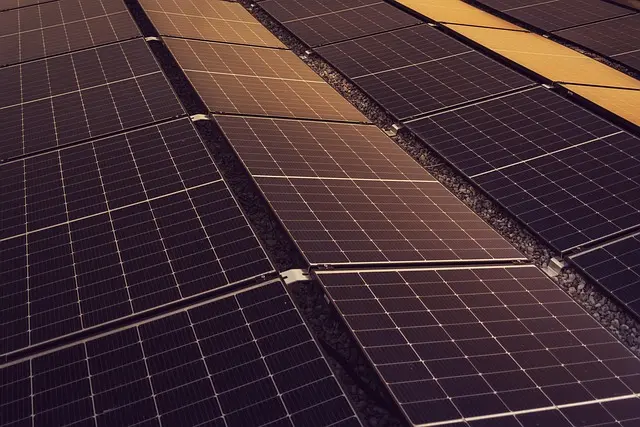
As renewable energy becomes increasingly accessible, installing solar panels is a significant DIY project that can pay off over time. Though installation can be complex, many companies now offer kits that simplify the process, enabling you to either partially or fully power your home with solar energy.
In 2026, solar energy is not only eco-friendly but also cost-efficient, with the U.S. Solar Energy Industries Association reporting a steady decrease in solar installation prices. Typically, homeowners can recoup their investment within five to seven years due to the savings on energy bills. While it may require more upfront investment, the long-term benefits are profound.


7. Home Energy Audits
Conducting a home energy audit helps identify areas for improvement regarding efficiency. Many utility companies offer free energy audits, or you can perform a DIY audit using online guides. Identifying leaks, outdated appliances, and insufficient insulation can detail your energy-saving opportunities.
During an audit, focus on where you notice drafts or where heating and cooling systems struggle to maintain balanced temperatures. Knowing these hotspots allows for targeted improvements that can significantly impact your home’s energy use.
8. Install Programmable Timers for Appliances
Another straightforward solution is to install programmable timers on devices and appliances. These timers allow you to set schedules for when devices should run, such as turning off a water heater or starting a coffee maker at specific times. This feature is particularly useful for reducing energy waste in less-used rooms.
With programmable timers, you ensure that energy is only used when necessary. Incorporating these devices can result in lower overall energy consumption, making your home more efficient.
📺 Resource Video
> For more advanced instructions, consider searching for “DIY solutions for home energy efficiency” on YouTube for detailed visual guides.
Checklist Before Starting Your DIY Projects
- [ ] Assess insulation and consider upgrades.
- [ ] Check all windows and doors for leaks and weatherstrip them.
- [ ] Replace old bulbs with energy-efficient lighting options.
- [ ] Research and potentially install a smart thermostat.
- [ ] Conduct a home energy audit to identify problem areas.
Glossary
| Term | Definition |
|---|---|
| Energy Efficiency | The practice of using less energy to provide the same level of energy service. |
| Insulation | Materials used to reduce heat transfer in a building's envelope. |
| Low-Flow Fixtures | Plumbing fixtures designed to reduce water flow without compromising utility performance. |
---
📺 Pour aller plus loin : DIY solutions for home energy efficiency sur YouTube
Recommended products
Selected by our experts

Clinique Blackhead Solutions 7 Day Deep Pore Cleanse & Scrub for All Skin Types - 125ml
clinique.com


Clinique Redness Solutions Makeup Broad Spectrum SPF 15 With Probiotic Technology, Calming Honey - 1 fl. oz./30 ml
clinique.com