Table of Contents (8 sections)
Creating a professional garden doesn’t have to be an overwhelming endeavor. With DIY garden solutions, you can transform your outdoor space into a beautiful and functional area. This guide will walk you through various DIY methods to elevate your garden's appeal, making it not just visually appealing but also practical.
Step-by-Step Guide to DIY Garden Solutions
- Plan Your Garden Layout
Planning your garden is the first crucial step in achieving a professional look. Consider the space you have and the elements you want to include. A well-thought-out layout might involve sections for flowers, vegetables, or herbs. Use graph paper to sketch a simple design, noting the sunlight patterns of your garden throughout the day. This will help you determine where to position sun-loving plants versus those that prefer shade. Remember the golden ratio in garden planning to create aesthetics that are pleasing to the eye.
- Soil Preparation
Good soil is the foundation of any thriving garden. To enhance your soil quality, start testing its pH and nutrient levels. You can amend your soil with organic matter such as compost or well-rotted manure to improve its texture and fertility. Adding mulch not only suppresses weeds but also retains moisture and adds nutrients as it breaks down. Research shows that gardens with well-prepared soil can yield up to 30% more produce than those lacking proper care.
- Choosing the Right Plants
Selecting the right plants for your climate and soil type is fundamental. Popular choices for DIY garden solutions include perennials like daylilies and coneflowers which offer longevity and low maintenance. However, consider seasonal blooms to add variation—a mix of early, mid, and late bloomers can provide interest throughout the year. Check with local gardening stores or extension services for advice on what plants thrive best in your area.
- Irrigation and Watering Solutions
An efficient watering system is essential for any professional garden. Consider installing a drip irrigation system that delivers water directly to the base of your plants, reducing water waste and ensuring they receive adequate moisture. If you're working on a budget, rain barrels can be used to collect runoff from your roof for garden use, promoting sustainable practices. With proper irrigation, studies have shown that gardens can reduce water consumption by up to 50%.
- Creating Garden Borders and Paths
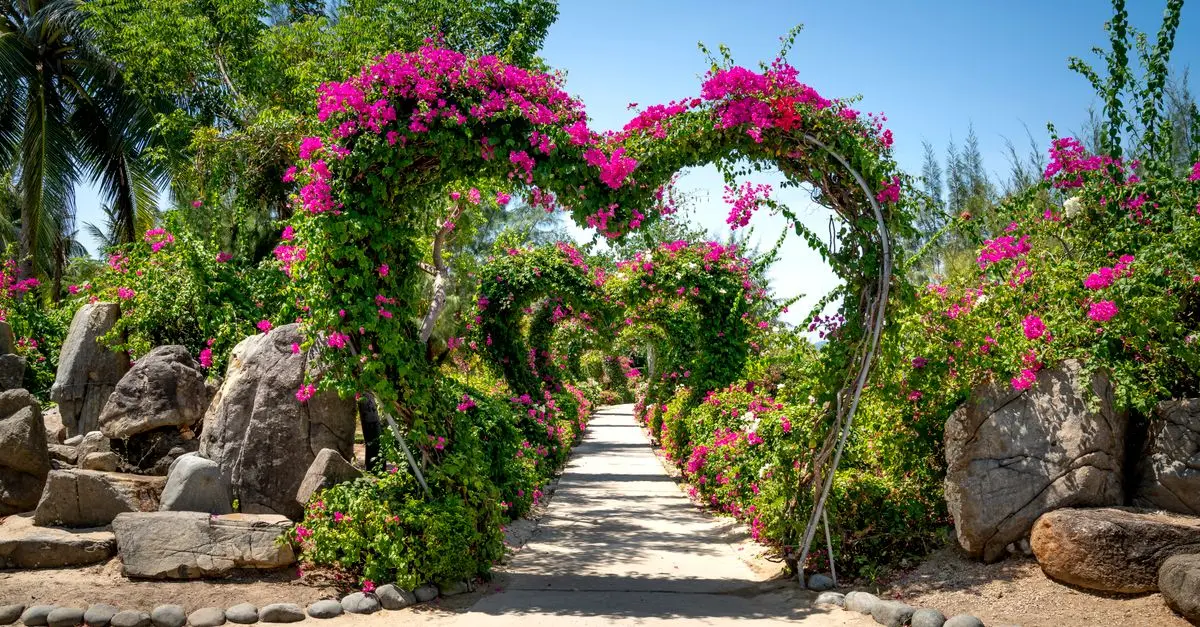
Pathways and borders add structure to your garden. Installing simple materials such as stones, bricks, or wood can segment different areas, making your garden more navigable. A natural stone path can provide an organic look and prevent soil compaction, while borders containing soil or mulch can contain your plants, giving them a defined space to grow without spreading uncontrollably. It’s a great way to enhance both functionality and aesthetics in your garden design.
- Adding Features and Decorations
Decorative elements can significantly enhance your garden's appeal. Consider adding a trellis for climbing plants, bird feeders, or even garden decor that reflects your personality. Solar garden lights can be both practical and beautiful, illuminating paths at night while enhancing security. According to surveys, gardens that incorporate decorative features can improve property value by approximately 20%.
Troubleshooting Common Issues
While embarking on your DIY garden project, here are a few common issues to consider:
- Pest Management: Use natural pest control methods, such as introducing beneficial insects like ladybugs or planting pest-repellent herbs.
- Weed Control: Regular maintenance like mulching keeps weeds at bay and reduces competition for nutrients.
- Plant Diseases: Monitor your plants for signs of disease and use organic fungicides as needed to manage outbreaks.
Checklist Before You Start
- [ ] Check soil quality and nutrient levels
- [ ] Choose suitable plants for your region
- [ ] Plan your garden layout, including paths and borders
- [ ] Install an irrigation system for efficient watering
- [ ] Explore decorative options to enhance the garden's visual appeal
📺 For More Inspiration
Explore DIY garden solutions in detail through visual guides on YouTube. Search for “DIY garden projects 2026” for up-to-date tips and tricks.
Glossary
| Term | Definition |
|---|---|
| Mulching | The process of covering soil to retain moisture, suppress weeds, and enhance aesthetic appeal. |
| Irrigation | A method to deliver controlled amounts of water to plants at needed intervals. |
| Compaction | The process in which soil particles are pressed together, reducing air pockets and hindering plant growth. |
- What are the best plants for a DIY garden?
The best plants vary depending on your climate, but perennial flowers and easy-to-grow vegetables are often recommended.
- How often should I water my garden?
This depends on the plant species and local weather: typically once a week is sufficient, but dry spells may require more frequent watering.
- What is the best way to prevent weeds?
Mulching and regular maintenance are effective for weed prevention, as they block sunlight from reaching weed seeds.
- How can I ensure my garden is professional looking?
Focus on structure, balance between plant heights, and overall color coordination to achieve that polished, professional look.
Recommended Products
- - - ---
📺 Pour aller plus loin : DIY garden projects 2026 sur YouTube
Recommended products
Selected by our experts


Clinique Redness Solutions Makeup Broad Spectrum SPF 15 With Probiotic Technology, Calming Honey - 1 fl. oz./30 ml
clinique.com