Table of Contents (11 sections)
Introduction
Creating a professional-looking garden doesn’t require you to hire expensive landscapers. With the right DIY garden solutions, you can design, plant, and maintain a stunning garden by yourself. The DIY approach not only saves you money but also lets you personalize your garden according to your tastes. In this guide, we will walk through essential steps, from planning and planting to maintenance, ensuring your garden becomes a beautiful outdoor sanctuary.
Step 1: Planning Your Garden
Before you dive into digging and planting, careful planning is crucial. Begin by assessing your yard’s layout, sun exposure, and existing vegetation. Draw a simple sketch to visualize where various elements will go—this includes pathways, flower beds, and seating areas. According to recent surveys by the National Gardening Association, 80% of successful gardeners attribute their success to thorough planning. Make a list of all the elements you want to incorporate, such as flower types, vegetables, and edible herbs. Remember to consider seasonal changes and blooming periods to ensure year-round beauty.
Use landscaping apps or online tools to help with planning your layout, and make adjustments as needed. Having a detailed plan reduces mistakes and ensures that resources are used efficiently, avoiding common pitfalls like overcrowding plants or misplacing water features.
Sports Licensing Solutions 3 ft. W X 3 ft. L Black Anti-Fatigue Rubber Utility Mat
acehardware.com


Step 2: Soil Preparation
Soil quality is the backbone of any successful garden. Proper preparation involves testing pH levels, aerating, and enriching the soil. Start by collecting soil samples from various spots in your garden to send for testing. Many local agricultural extension offices offer these services. A study by the American Society of Agronomy reveals that well-prepared soil can increase plant yield by up to 30%. Based on the results, you may need to add organic matter, like compost or well-rotted manure, to improve nutrient content.
Once the soil is tested and amended, ensure it is well-aerated. You can use a garden fork or a tiller to loosen it. This process enhances drainage and root growth, ensuring your plants thrive. Take care to avoid soil compaction as it affects moisture retention. Always wear gloves and a mask when handling soil to keep yourself protected, especially if you have allergies.
Step 3: Selecting Plants
Choosing the right plants is fundamental to achieving a professional-looking garden. Consider native plants, as they are better adapted to your local climate, require less maintenance, and attract local wildlife. Resources like the Native Plant Society offer extensive lists of suitable plants for different regions. When selecting flowers, consider factors such as color, height, blooming period, and water requirements.
Create layers by placing taller plants at the back of borders and shorter ones at the front. This not only produces visual interest but also ensures that shorter plants receive adequate sunlight. Remember, grouping plants with similar water and sunlight needs simplifies maintenance and promotes healthier growth. Avoid overcrowding by sticking to the recommended spacing to allow for airflow between the plants.
Step 4: Implementing Hardscaping
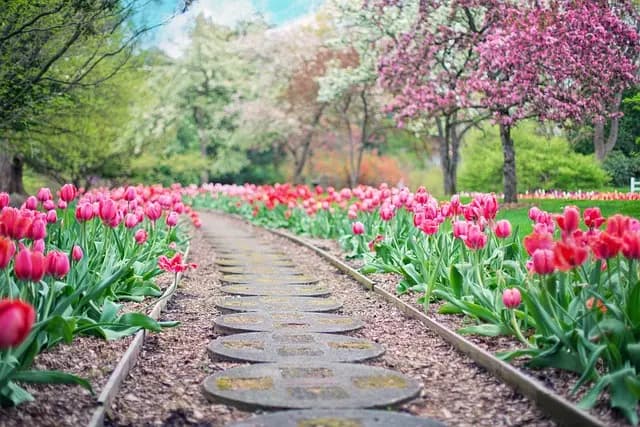
Adding hardscaping features not only enhances the aesthetic appeal of your garden but also provides functional elements, like paths and seating areas. Begin with pathways using stone, gravel, or wood chips to create defined routes throughout your garden. This not only prevents soil erosion but also adds structure.
Install raised beds if you wish to compartmentalize areas or if your soil quality is poor. Raised beds can help control soil conditions and improve drainage. Additionally, consider integrating fences or trellises for climbing plants and to create a sense of depth. According to studies by Landscape Architecture Magazine, incorporating hardscaping can increase property value by up to 15%. Ensure any patio or deck is level and stable to avoid future repairs.
Step 5: Garden Maintenance
Maintaining a garden is an ongoing task that complements all your hard work. Regular tasks include watering, weeding, and deadheading. Invest in a quality irrigation system that suits your garden size and needs, which not only conserves water but also promotes efficient watering.
Create a monthly gardening calendar that includes tasks specific to the season. Regular monitoring allows for early detection of pests or diseases, reducing damage. Fertilize your plants based on their needs, keeping in mind that over-fertilizing can harm plant health. Observing your garden regularly helps you adjust your care routine, enhancing your garden's growth and aesthetics.


Clinique Blackhead Solutions 7 Day Deep Pore Cleanse & Scrub for All Skin Types - 125ml
clinique.com

Clinique UV Solutions Hydrating Sunscreen Broad Spectrum SPF 50 - 40 ML
clinique.com
Checklist
- [ ] Draw a detailed garden layout.
- [ ] Test soil pH and nutrient levels.
- [ ] Select native and compatible plants.
- [ ] Create hardscaping features.
- [ ] Establish a maintenance routine.
Glossary
| Term | Definition |
|---|---|
| Hardscaping | Non-plant elements in landscaping, such as paths, decks, and walls. |
| Native Plants | Plant species that naturally occur in a specific region without human intervention. |
| Soil Aeration | The process of perforating the soil to allow air, water, and nutrients to penetrate deeper. |
🧠 Quiz rapide :
> What is the most important step in creating a DIY garden?
> - A) Choosing plants
> - B) Planning
> - C) Watering
> Réponse : B — Planning is crucial for a successful garden layout and plant selection.
📺 Pour aller plus loin : how to create a professional looking garden DIY sur YouTube
Recommended products
Selected by our experts


Clinique Redness Solutions Makeup Broad Spectrum SPF 15 With Probiotic Technology, Calming Honey - 1 fl. oz./30 ml
clinique.com