Table of Contents (11 sections)
Creating a DIY home gym is an appealing way to stay fit without the hassle of gym memberships or commuting. With the right approach, you can set up a space that rivals commercial gyms in terms of functionality and aesthetics. This guide provides a detailed, step-by-step process to help you build a professional-grade gym right in your home.
Step 1: Assess Your Space
Before you start purchasing equipment, it’s essential to evaluate the space where you plan to build your gym. Measure the room’s dimensions, and consider factors such as natural light, ventilation, and the type of flooring. You want a space that is not only functional but also comfortable.
- Tip: If you have limited space, consider multifunctional equipment to maximize your workout areas. For example, wall-mounted solutions or folding benches take up less room when not in use.
- Common Pitfall: Avoid overloading your space with too much equipment. Keep it simple and focus on what you will actually use.
Step 2: Create a Design and Layout Plan
Once you’ve assessed your space, it’s time to plan how to layout your gym. Consider how each piece of equipment interacts with others, leaving enough room for movement during exercises.
- Functionality First: Prioritize equipment that complements your fitness goals, whether it’s weightlifting, cardio, or a mix of both.
- Visualize the Layout: Use graph paper or design software to plot out your equipment placement. Ensuring a good flow will enhance your workout experience.
- Pro Tip: Separate areas for different types of workouts; for instance, a cardio zone, strength training section, and stretching area can help create a more organized feel.
Step 3: Choose Essential Equipment
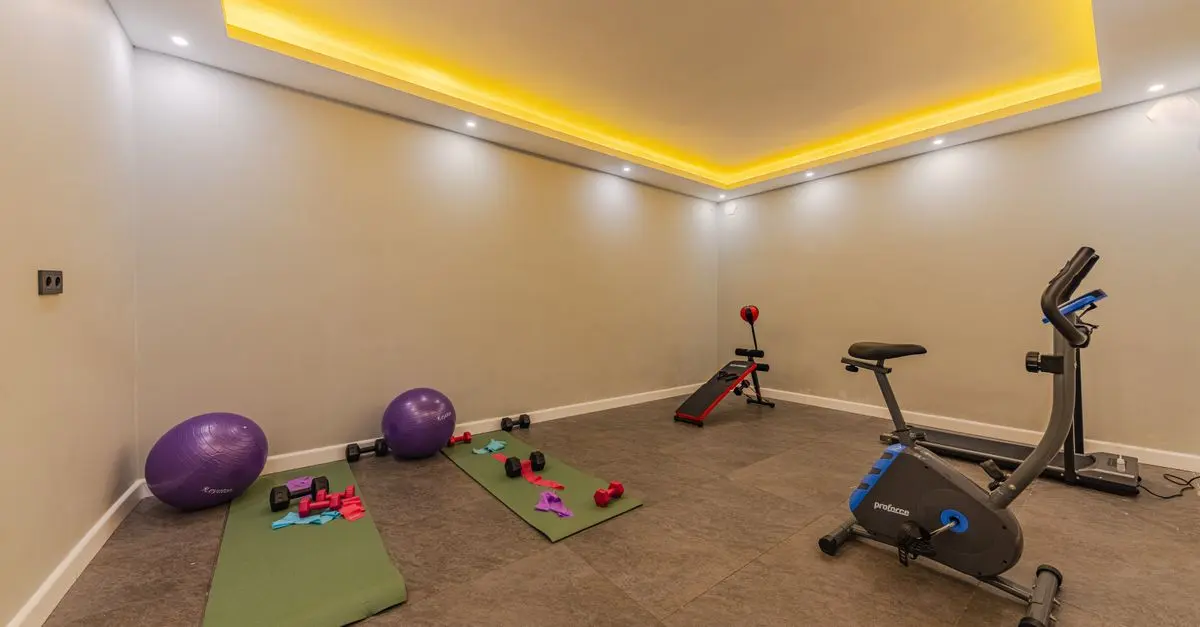
Investing in quality equipment is crucial for a successful DIY home gym. Select a combination of free weights, cardio machines, and any special equipment related to your workout interests.
Here's a basic checklist to consider:
- Free Weights: Dumbbells, kettlebells, or barbells.
- Cardio Machines: Treadmills, stationary bikes, or rowing machines.
- Strength Training Equipment: Resistance bands, weights, and benches.
Suggested Products: Choose versatile equipment that meets your needs. We have selected several products suited for various fitness levels.
Step 4: Organize and Decorate Your Gym
Adding a personal touch to your gym can make workouts more enjoyable. Once you have your equipment set up, think about the overall aesthetic and organizational systems.
- Storage Solutions: Think about how you will store weights and other accessories. Wall shelves, racks, or bins can keep your gym organized and safe.
- Inspiration and Motivation: Hang motivational quotes, a whiteboard for tracking progress, or a calendar to schedule workouts. Personalize it to keep yourself motivated.
Step 5: Optimize for Comfort and Safety
Comfort is paramount in your home gym. Ensure you have adequate lighting and ventilation, especially if you're working out in an enclosed space.
- Flooring: Invest in quality gym mats or rubber flooring to protect your floor and joints during workouts.
- Safety Measures: Ensure that all equipment is securely anchored and that you have adequate space around each piece of equipment for safe usage. Regularly check and maintain your equipment.
Step 6: Design a Workout Plan
Now, it's time to create a fitness routine tailored to your goals. Consult with fitness professionals if possible, and utilize fitness apps to track your progress and set targets.
- Variety is Key: Include different types of workouts in your routine—strength training, flexibility exercises, and cardio sessions should be balanced.
- Stay Accountable: Try using a workout app that logs your sessions or consider inviting a friend to join your journey.
Step 7: Regular Maintenance
Maintaining your gym is critical for longevity. Regularly clean equipment, check for wear and tear, and adjust the layout as needed to keep your area both functional and inviting.
Checklist Before Purchase
- [ ] Measure the space and plan the layout.
- [ ] Select essential gym equipment based on your workout goals.
- [ ] Arrange for proper storage solutions to keep equipment organized.
- [ ] Optimize lighting and comfort features.
- [ ] Create a diverse workout plan that includes various types of exercises.
Glossary
| Terme | Définition |
|---|---|
| DIY | Do It Yourself; creating or building something on your own. |
| Cardio | Cardiovascular exercise aimed at improving heart health. |
| Free Weights | Weights that are not attached to a machine, such as dumbbells or kettlebells. |
Quiz rapide
> 🧠 Quiz rapide : What is the most critical factor when setting up your home gym?
>- A) Equipment Quantity
>- B) Space Layout
>- C) Decor
>Réponse : B — A well-thought-out layout enhances functionality and safety.
📺 Pour aller plus loin : Watch videos on setting up a DIY home gym. Search on YouTube: "How to set up a DIY home gym 2026".
📺 Pour aller plus loin : how to set up a DIY home gym 2026 sur YouTube
Recommended products
Selected by our experts

Homewerks 1/2 in. MPT X 3/4 in. MHT Brass Dual Washing Machine Shut-Off Valve
acehardware.com

Gymax Compact Portable Washing Machine Twin Tub 20 lbs Washer Spinner Home Dorm
bestbuy.com

Hivvago 8 Lbs Compact Mini Twin Tub Washing Spiner Machine for Home and Apartment
shop.simon.com

Ca'Lefort - 24 Inch 52 Bottle Wine Cooler Refrigerator, 40-65°F Dual Zone Wine Refrigerator,3 LED Built-in for Home/Bar(5.65 cu.ft) - Stainless Steel
bestbuy.com