Table of Contents (13 sections)
Creating your own furniture can be both a rewarding experience and a fantastic way to add your personal touch to your home. In this guide, we will explore innovative DIY furniture solutions through a step-by-step tutorial that emphasizes style, functionality, and craftsmanship.
1. Understand the Basics of DIY Furniture Making
Before diving into your DIY project, it's essential to understand what DIY furniture solutions entail. DIY (Do It Yourself) furniture typically involves building or refurbishing furniture items without the help of professionals. The appeal lies in the personalization and uniqueness of each piece you create. By utilizing reclaimed materials or upcycled goods, you not only gain a stylish addition to your home but also embrace sustainability.
Moreover, DIY furniture making allows you to develop new skills, such as woodworking, upholstery, or painting, which can be beneficial for future projects. According to a report by HomeAdvisor, nearly 75% of homeowners feel satisfied with their DIY home improvement projects, boosting confidence and creativity. Understanding these fundamentals will guide you as you embark on your project.
2. Define Your Design and Purpose
Now that you understand the basics, it’s time to conceptualize your furniture design. Consider the purpose of the piece—is it a coffee table, bookshelf, or a chair? Once you have a clear purpose, sketch out your ideas. This step is crucial, as it helps visualize the eventual product and allows you to evaluate the functional aspects—like size and ergonomics.
When brainstorming, look for inspiration through platforms like Pinterest or design magazines. Take note of styles and features that catch your eye, as this will influence your design. Remember to think about color schemes and how your piece will fit with existing furniture and decor in your home. This planning step will save you time and resources later in the project.
3. Gather Your Materials
With your design in hand, it’s time to gather the necessary materials. A good starting point is making a list of the required supplies based on your design, which could include wood, screws, glue, nails, paint, and finishes. Consider shopping at local hardware stores, lumber yards, or even recycle centers for materials. Opting for reclaimed or salvaged wood can introduce character to your piece and promote eco-friendliness.
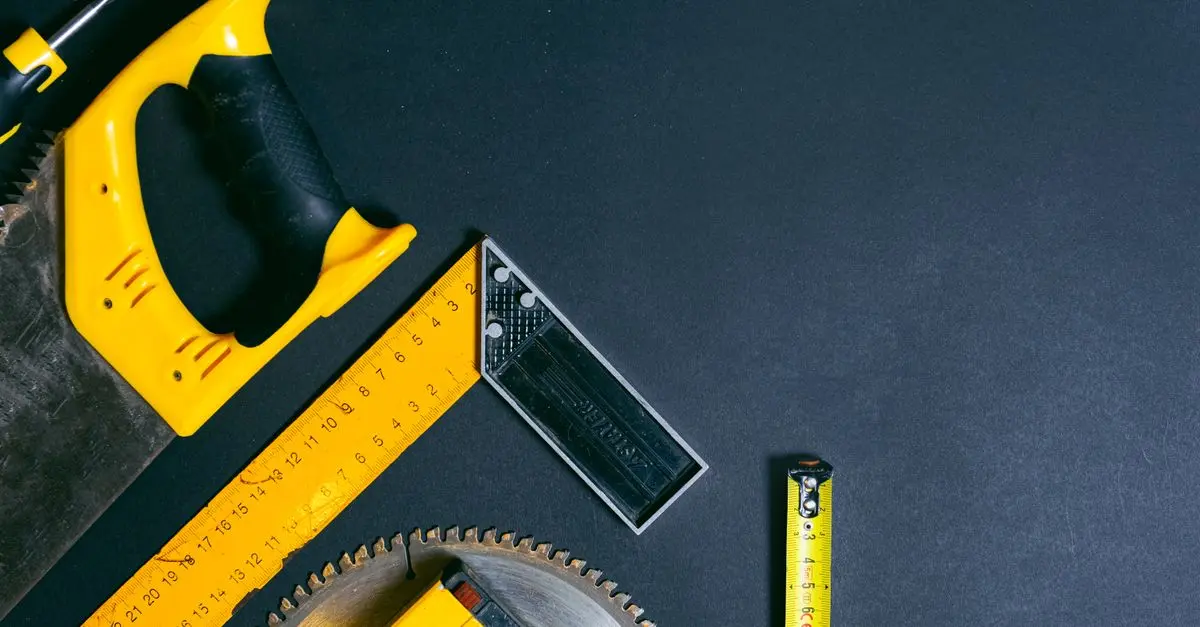
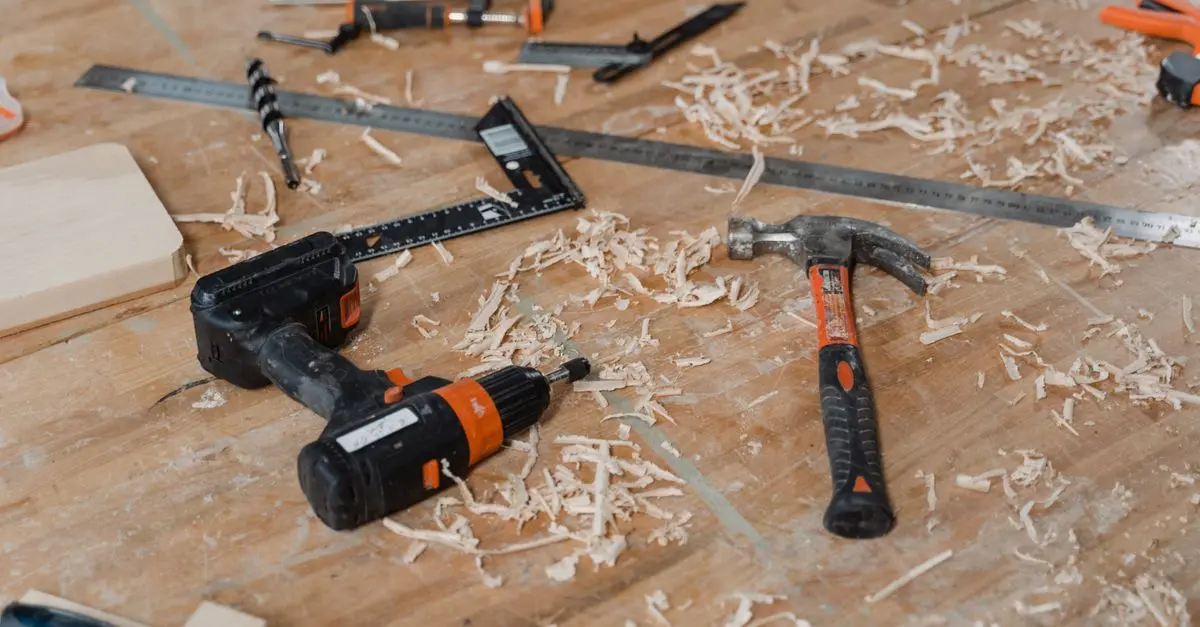
Additionally, ensure that you have the right tools. Common tools required might include a circular saw, drill, sander, measuring tape, and paintbrushes. If you’re new to DIY, it may be wise to invest in a quality multi-tool that can serve versatile functions. This step is crucial as having the right tools and materials can significantly affect the quality and ease of your project.
4. Prepare Your Workspace
Before starting your project, set up a designated workspace. A clean, organized area not only enhances productivity but also ensures safety. Make sure you have good lighting and enough space to work comfortably. If your project involves cutting wood, protect your surroundings from dust and debris by laying down a tarp or old newspaper.
Consider wearing appropriate safety gear, such as goggles and gloves, especially while cutting or sanding materials. This proactive approach not only protects you but also fosters a more focused and enjoyable working environment. Additionally, keep your tools within reach and your materials organized to streamline your work process.
5. Start Building Your Furniture
Now comes the most exciting part—building your furniture! Follow your plans closely, but don’t hesitate to adapt if something doesn’t feel right. Begin by cutting your materials according to your design specifications. Slowly piece everything together, ensuring you measure twice and cut once to minimize waste. Secure each component well using screws or glue for durability.
It's common for beginners to encounter challenges during this stage, whether it’s misalignments or structural issues. If a mistake happens, remember that creativity often leads to innovative solutions! Don't hesitate to reach out to online communities or forums for DIY'ers for troubleshooting tips and tricks. Additionally, documenting your process can offer you insights for future projects.
6. Finishing Touches and Decoration
Once the construction is complete, focus on the finishing touches. Sand the surfaces to achieve a smooth texture before applying any stains or paints. Opt for water-based finishes to minimize environmental impact while providing an elegant look. This stage is where your unique style can shine—consider adding decorative hardware, like unique handles, or personalizing it with artwork.
Moreover, finish your piece with protective coatings to prolong its life, particularly for items exposed to wear and tear. UFC-Que Choisir suggests that a well-finished piece can last up to 10 years longer than a poorly treated one. Don’t rush this stage; thoughtful decoration can transform a simple piece into a charming focal point in any room.
7. Showcase Your Creation
Finally, once your furniture is finished and dry, it’s time to place it in your desired location! Showcase your creation in a spot where it can shine. Take high-quality pictures to document your hard work, and consider sharing these on social media or DIY blogs. This can serve as motivation for others to take on their projects and help establish your reputation as a DIYer!
💡 Expert Tip: Documenting your project from start to finish can help you improve your skills and offer useful insights to future DIY enthusiasts.
Checklist before starting your DIY project
- [ ] Define the purpose of your furniture
- [ ] Create a clear and detailed design
- [ ] Gather all necessary tools and materials
- [ ] Establish a safe and organized workspace
- [ ] Be ready to adapt your plan as needed
Glossary
| Terme | Définition |
|---|---|
| DIY | Do It Yourself, réalisé par une personne sans aide professionnelle. |
| Upcycling | Transformation de matériaux usagés en nouveaux produits de valeur. |
| Reclaimed Wood | Bois récupéré à partir de structures anciennes, souvent pour un usage en mobilier.

Flash Furniture Office Chair Black Mesh Executive Swivel Office Chair
shop.simon.com

Flash Furniture Set of 2 Outdoor Stools - 360 Degree Swivel Bar Stools
shop.simon.com

Streamdale Furniture Streamdale Velvet Chesterfield Sofa with Copper Studs & Tufted Buttons
shop.simon.com
📺 Resource Video
> 📺 For further learning: How to Build DIY Furniture provides an in-depth analysis of essential techniques and tips for aspiring builders. Search for: "DIY furniture building techniques 2026".
Conclusion
DIY furniture making is an enriching journey that fosters creativity and self-expression in your home. By following this step-by-step guide, you can craft functional and stylish pieces that reflect your personality. Don’t forget, we’ve selected several products suited for your DIY needs. Happy crafting!
📺 Pour aller plus loin : DIY furniture building techniques 2026 sur YouTube
Recommended products
Selected by our experts
US Pride Furniture Container Furniture Classic Velvet Nailhead Chesterfield Loveseat
bedbathandbeyond.com


Ashcroft Furniture Floor Lamp with Round Metal Base, Rotary Switch, Wood Table, Standing Lamp for Bedroom, Living Room, 616" L x 11" W x 60" H,
aosom.com

HIFINE OUTDOOR FURNITURE Outdoor Wicker Bar Cart with Wheels and Storage Cabinet, Patio Wine Serving Cart with Glass Top, 51" L x 20" W x 35.5" H,
aosom.com