Table of Contents (20 sections)
Choosing the right DIY tools is crucial for the success of any project you undertake, from simple home repairs to elaborate crafts. The right tools enhance your efficiency, safety, and even the enjoyment of your work. In this guide, we will break down the essential aspects of selecting appropriate tools for your DIY endeavors, giving you the confidence to tackle your projects with professionalism.
What Are DIY Tools?
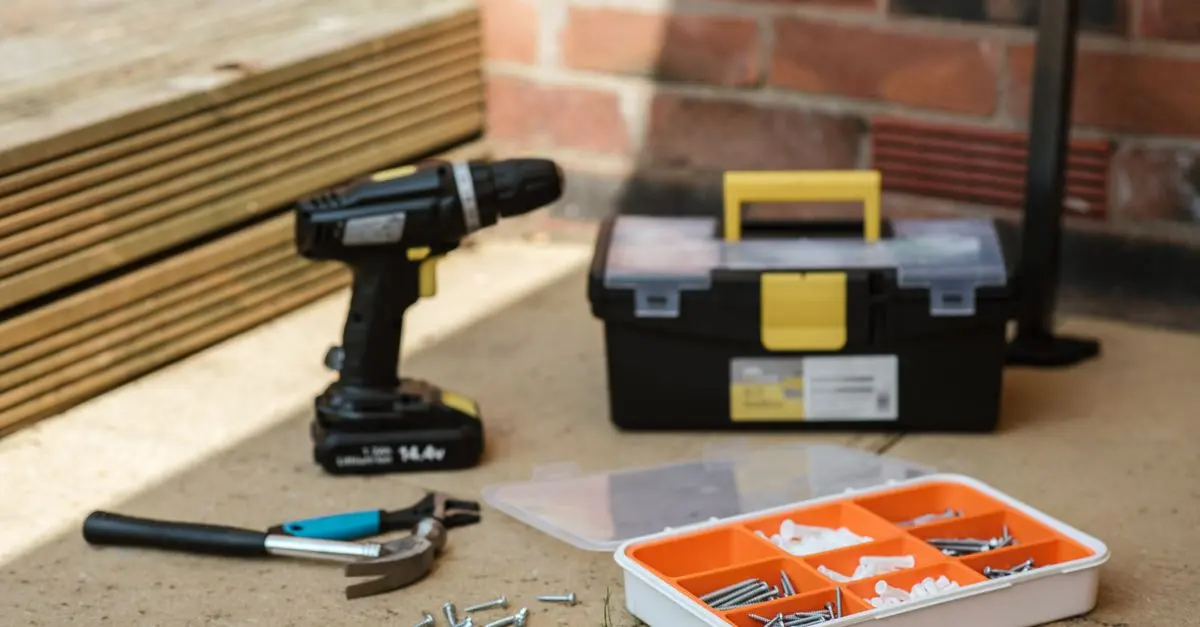
DIY tools encompass a wide range of equipment used for various tasks, such as woodworking, plumbing, electrical work, and landscaping. They range from hand tools like hammers and screwdrivers to power tools such as drills and saws. Understanding the variety of tools available and their specific functions is fundamental for any DIY enthusiast.
- Hand Tools: These are the basic types of tools that do not require electricity. Examples include hammers, pliers, and screwdrivers. They are essential for any DIY project and are often the first tools you should acquire.
- Power Tools: These provide greater power and efficiency. Examples include drills, circular saws, and sanders, which can make tough tasks much easier.
- Measuring Tools: Accurate measurements are crucial in DIY projects. Tools such as measuring tapes, squares, and levels ensure your work is precise.
- Safety Gear: Items like goggles, gloves, and ear protection are also essential tools that protect you while you work.
People often underestimate the significance of having the right tools at hand. According to a survey by UFC-Que Choisir, individuals using appropriate tools report a 30% improvement in their project satisfaction levels compared to those who use makeshift or inappropriate tools.
How to Select the Right Tools: A Step-by-Step Guide
Choosing the right tools involves a structured approach. Follow these steps for optimal tool selection:
Step 1: Assess Your Needs
Identify the specific projects you'll be working on. Whether it's carpentry, plumbing, or repair work, each activity requires different tools. Make a list of tools that fit these needs.
Step 2: Research Quality Brands
Quality matters significantly when it comes to tools. Look for well-reviewed brands known for their durability and reliability. Consumer Reports and Les Numériques regularly publish comparisons and reviews of tools that can guide your decisions.
Step 3: Budget Planning
Determine how much you are willing to spend on your tools. While it can be tempting to go for the cheapest options, investing in higher-quality tools can lead to savings in the long run due to their longevity.
Step 4: Purchasing
When buying tools, consider whether you will purchase in-store or online. Each has its advantages. In-store allows you to handle the tools before purchasing, while online shopping often provides a wider selection and lower prices.
Step 5: Maintenance
Proper maintenance can prolong the life of your tools. Follow manufacturer guidelines for cleaning, storage, and handling to keep your tools in optimal condition.

R-Go Tools Souris Ergonomique R-Go HE Break avec logiciel de pause, droiter, grand (longueur de la main 185 mm), filaire, noir
Topbiz FR

R-Go Tools Souris Ergonomique R-Go HE Break avec logiciel de pause, droiter, moyen (longueur de la main 165-185 mm), filaire, no
Topbiz FR

R-Go Tools Souris Ergonomique R-Go HE Break avec logiciel de pause, droiter, petit (longueur de la main 165 mm), filaire, noir
Topbiz FR
Comparative Overview of DIY Tools
Understanding which types of tools to choose can also depend on specific criteria. Here’s a comparison to help you make informed decisions:
| Criteria | Hand Tools | Power Tools | Measuring Tools | Safety Gear |
|---|---|---|---|---|
| Ease of Use | High | Moderate to High | High | High |
| Portability | Excellent | Moderate | Excellent | Excellent |
| Cost | Low to Moderate | High | Low to Moderate | Low |
| Skill Level Required | Low | Moderate | Low | Low |
| Maintenance | Low | Moderate | Low | Low |
Expert Advice on DIY Tools
> 💡 Expert Opinion: Regular maintenance and the right storage conditions can extend the lifespan of your tools significantly. A poorly stored tool is often a less effective tool. When tools are stored in a damp place, for example, rust and wear can form, significantly reducing their usability. Prioritize a dedicated workspace where you can organize and protect your tools.
What basic DIY tools should I start with?
To begin your DIY journey, focus on acquiring essential hand tools: a hammer, a set of screwdrivers, pliers, and a tape measure.
How can I ensure my power tools are safe to use?
Always read the manufacturer's safety guidelines, wear appropriate safety gear, and inspect tools before each use for any damage.
Is it better to buy tools in a set or individually?
Buying tools in a set can offer better value and ensures that you have complementary tools for your projects.
Where can I find reliable tool reviews?
Websites like Les Numériques and UFC-Que Choisir are excellent resources for tool reviews and comparisons.
📺 For Further Learning:
To delve further into the subject, check out videos on YouTube titled "Choosing the Best DIY Tools for Your Projects".
Search for: "how to choose DIY tools 2026".
Glossary
| Term | Definition |
|---|---|
| Hand Tools | Tools that are operated by hand without electricity. |
| Power Tools | Tools that are powered by electricity or batteries. |
| Measuring Tools | Instruments used to ensure accuracy in measurements. |
Checklist Before Purchase
- [ ] Assess the projects you plan to undertake
- [ ] Research quality tools and brands
- [ ] Determine your budget
- [ ] Decide where to purchase (online or in-store)
- [ ] Consider tool maintenance needs
For your next DIY journey, we have selected several relevant products that can enhance your project experience.
Recommended Products
- - -
Recommended products
Selected by our experts
R-Go Tools Souris Ergonomique R-Go HE Break avec logiciel de pause, droiter, grand (longueur de la main 185 mm), filaire, noir
Topbiz FR
An ergonomic mouse can improve your comfort during long hours of crafting.
R-Go Tools Souris Ergonomique R-Go HE Break avec logiciel de pause, droiter, moyen (longueur de la main 165-185 mm), filaire, no
Topbiz FR
This ergonomic mouse is perfect for prolonged work while maintaining precision.
R-Go Tools Souris Ergonomique R-Go HE Break avec logiciel de pause, droiter, petit (longueur de la main 165 mm), filaire, noir
Topbiz FR
A compact ergonomic mouse is a great choice for those who need both comfort and functionality.