Table of Contents (9 sections)
Creating an effective DIY home lighting design can transform your living spaces into vibrant and inviting areas. Whether you're looking to set the mood for an intimate dinner or brighten up spaces for everyday use, a strategic lighting plan is essential. In this guide, we will walk you through the process of designing your home lighting, providing actionable steps and insights that can elevate your DIY project to a professional standard.
1. Understand the Basics of Lighting
Before diving into the design aspect, it’s crucial to understand the three fundamental types of lighting: ambient, task, and accent. Each type serves a distinct purpose and contributes to the overall ambiance of a room. Ambient lighting provides general illumination throughout a space, ideal for activities such as reading or socializing. Task lighting is focused on specific areas where activities like cooking or studying are performed. Lastly, accent lighting highlights particular features or objects, adding depth and interest.
Understanding these lighting styles will help you decide how to layer different types of lighting in your design. For example, combining task lighting over your kitchen island with ambient lighting in the kitchen can create a well-lit and functional space. According to a study by UFC-Que Choisir, well-planned lighting can improve the usability and aesthetics of living spaces by up to 80%.
2. Assess Your Space
It’s time to evaluate your home’s spaces to determine their unique lighting needs. Begin by taking measurements of the rooms you wish to illuminate. Note the size, layout, and existing natural light availability. This assessment will help you identify areas lacking sufficient light and decide which fixtures or bulbs to use.
Consider the color of the walls and furniture as well, since they can significantly affect how light is perceived in a space. Lighter colors reflect light and can make a room feel larger and brighter, while darker colors absorb light and may require more powerful lighting solutions. Using a simple calculator available through industry resources can also enable you to determine the wattage and types of bulbs needed based on room size. Take your time to explore and visualize the transformations these changes can bring.
3. Choose Your Fixtures Wisely
Selecting the right fixtures is crucial for the success of your design. Table lamps, floor lamps, ceiling fixtures, and wall sconces can all play complementary roles in your lighting scheme. When choosing fixtures, consider your overall style—modern, rustic, or industrial, for instance—and how they will mesh with your current decor.
There are numerous options available on the market, and with various levels of brightness and styles, it’s important to select pieces that offer versatility. For instance, adjustable LED strip lights can provide both ambient and accent lighting options, making them a smart choice for many applications. According to data from the INSEE, 72% of homeowners favor LED technology for its efficiency and long lifespan. Ensure you also consider energy ratings to elevate the environmental impact of your designs.
4. Plan Your Layout
After deciding upon your fixtures, it’s time to plan their layout. Creating a lighting plan involves the strategic placement of fixtures to achieve the desired effect. Start by sketching your room’s layout and marking where you intend to place each fixture.
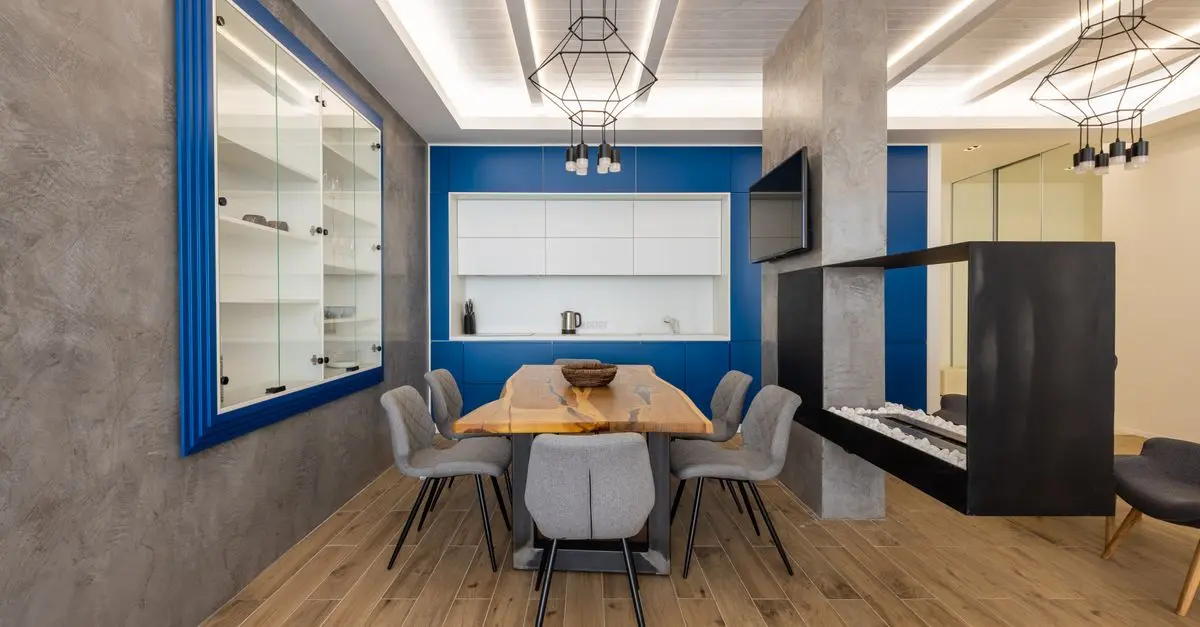
Use a combination of different heights and types of fixtures to create visual interest and depth. For example, consider hanging pendant lights over a dining table or using floor lamps beside sofas to enhance ambiance. Additionally, incorporating dimmers can give you greater control over the mood of a space, allowing you to adjust brightness as needed.
Creating a schematics diagram can also clarify which fixtures will be used in conjunction with the existing electrical wiring, reducing misunderstandings during installation.
5. Installation and Wiring
Once your fixtures are selected and your layout planned, it's time for installation. If you’re comfortable with basic electrical work, many fixtures can be installed as DIY projects. Always turn off power at the circuit breaker before beginning any electrical work.
For those less experienced with home improvement tasks, it may be advisable to hire a licensed electrician to ensure all installations comply with safety regulations and codes. Furthermore, when using features such as smart home integration, ensure compatibility with your existing devices. D’après les retours utilisateurs, hiring professionals can mitigate potential wiring issues and ensure safe installation.
6. The Finishing Touches
The final step in your DIY home lighting design is to add personal touches. Consider accentuating features such as artwork or plants with strategically placed accent lights. You can also enhance your environment with smart technology, allowing you to control your lighting with voice commands or apps.
Moreover, utilize light dimmers to create ever-changing moods throughout the day and night. Finally, remember to clean your fixtures regularly to maintain their effectiveness and keep styles fresh and inviting. A thoughtful arrangement of decorative elements—such as mirrors to reflect light—can also elevate your project's impact.
Checklist Before Starting Your DIY Lighting Design
- [ ] Understand the basics of lighting types
- [ ] Assess your space and its specific lighting needs
- [ ] Choose fixtures that align with your design
- [ ] Plan your layout effectively
- [ ] Ensure safety during installation
- [ ] Add finishing touches to personalize your design
Glossary
| Term | Definition |
|---|---|
| Ambient Lighting | General illumination for entire room surfaces. |
| Task Lighting | Focused lighting for specific activities or tasks. |
| Accent Lighting | Highlighted lighting for decorative features or objects. |
> 🧠 Quick Quiz: What type of lighting is best for reading?
> - A) Ambient Lighting
> - B) Task Lighting
> - C) Accent Lighting
> Answer: B — Task Lighting provides specific light needed for focused activities like reading.
📺 To go further: Understanding the nuances of DIY home lighting design, explore back-to-back comparisons and solutions by searching on YouTube: "how to design your home lighting efficiently".
📺 Pour aller plus loin : how to design your home lighting efficiently sur YouTube
Recommended products
Selected by our experts